

Difference Between Dry Iron and Steam Iron: A Simple Guide
Learn the difference between dry iron and steam iron models. Discover which tool best suits your fabric needs for effortless, wrinkle-free clothing.
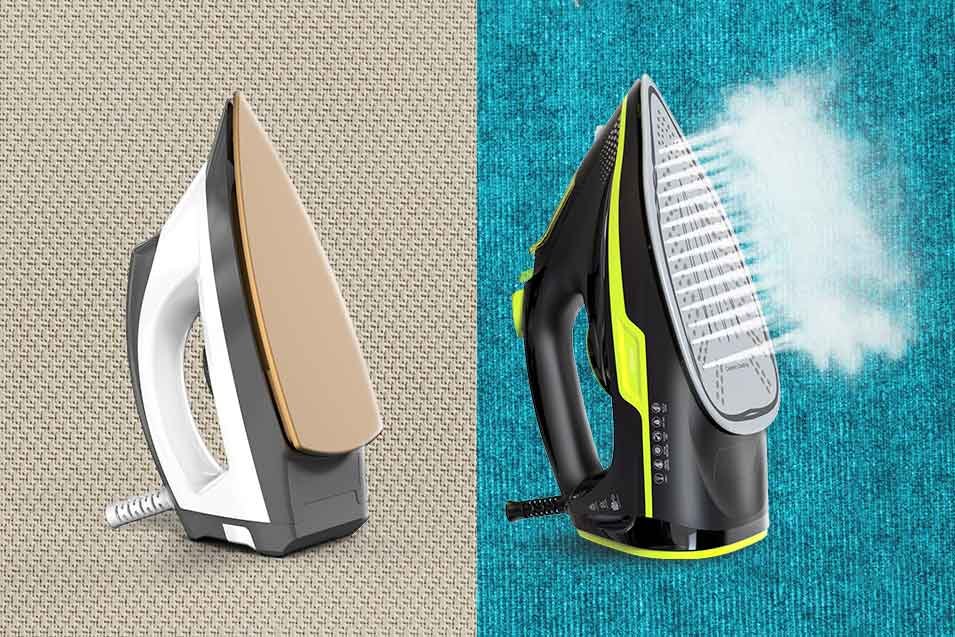
A dry iron uses only heat and weight to remove creases, whereas a steam iron adds moisture through water vapor to relax fabric fibers. The primary distinction is that a dry iron has no water tank and relies on manual spraying or dampening, while a steam iron forces hot water vapor through holes in the soleplate.
Understanding Fabric Pressing Tools
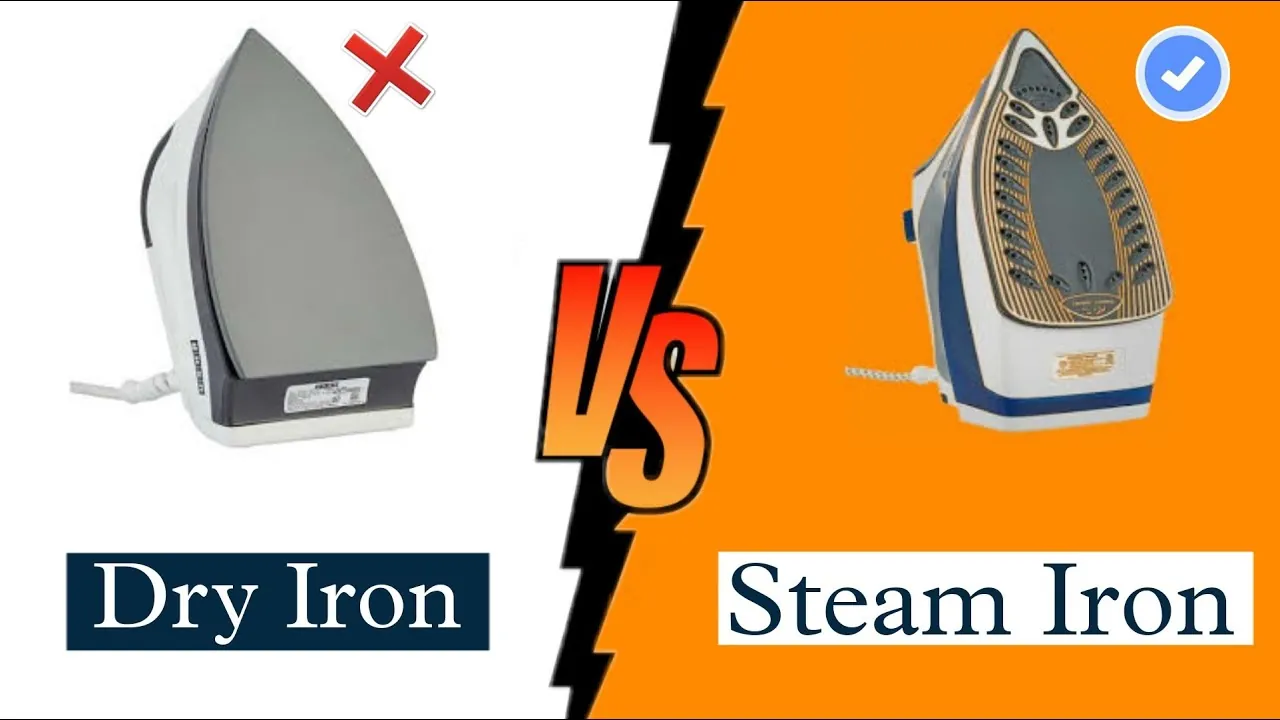
A dry iron relies on a hot metal plate to press clothes. Because it lacks an internal water tank, it remains lightweight and maneuverable for basic tasks. You must use a spray bottle to dampen wrinkled garments beforehand, as dry heat alone rarely softens deep creases in heavy cotton or linen. If you notice the fabric remaining stiff after one pass, stop immediately and increase the moisture rather than the heat setting to avoid scorching delicate fibers.
A steam iron features an internal reservoir that heats water to create continuous or burst steam. This moisture penetrates the fabric, making fibers pliable and easier to flatten. These tools are significantly heavier and require monthly maintenance to prevent mineral buildup.
If you live in an area with hard water, use distilled water exclusively to avoid clogging the steam vents. Neglecting this buildup will eventually cause the iron to spit brown residue onto your clothes, ruining light-colored garments. If you’re pressing synthetic blends, empty the tank entirely and use the dry setting to prevent unwanted water spots or permanent heat damage.
The Difference Between Dry and Steam Iron Features
-
Dry Irons: Choose these for delicate fabrics like silk or rayon. Moisture often leaves permanent water spots on these fibers, making a dry iron the safer, cleaner choice for your wardrobe.
-
Steam Irons: Use these for heavy-duty materials like denim, wool, or cotton. These fabrics require deep moisture to relax the fibers and smooth out stubborn creases. If you struggle to remove wrinkles, ensure your iron has a steam output of at least 30 grams per minute.
-
Weight: Dry irons are generally lighter, which significantly reduces wrist fatigue during long sessions. If you iron more than five shirts at once, the extra poundage of a water tank becomes a noticeable physical burden.
-
Maintenance: Steam irons require monthly descaling to prevent mineral buildup from clogging the steam holes. Dry irons need almost no maintenance, as they lack internal reservoirs prone to calcification.
-
Versatility: Most steam irons function as dry irons if you empty the tank or toggle the steam setting. However, dedicated dry irons often provide a more consistent, even heat distribution across the entire soleplate surface.
-
Cost: Quality dry irons are frequently cheaper than steam models built with identical materials. You pay a premium for the steam pump and reservoir components.
Why Steam Penetrates Fabric Better
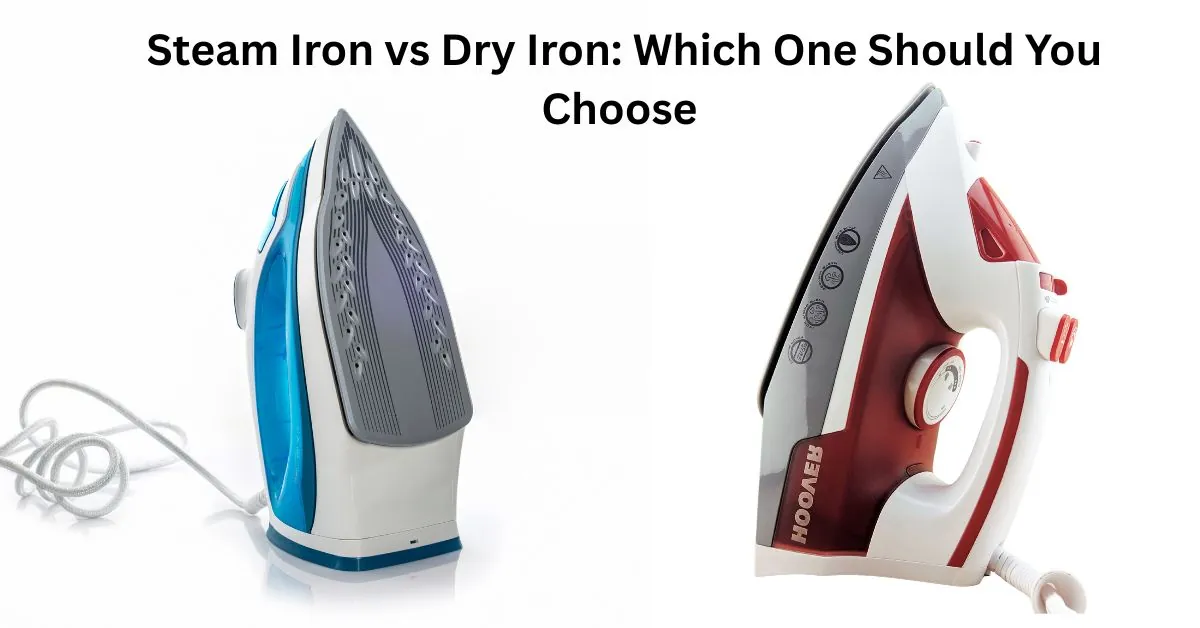
The mechanism behind effective ironing is the combination of heat, moisture, and pressure. When you apply dry heat to a fabric, the heat expands the fibers, but it doesn’t change their shape permanently. If the fabric is too dry, it resists the pressure of the iron plate, leading to stubborn wrinkles that return shortly after you finish.
Steam changes this process by adding water molecules into the structure of the fiber itself. As the hot vapor enters the fabric, it breaks the hydrogen bonds that hold the fibers in a wrinkled state. This makes the fabric much more flexible, allowing the weight of the soleplate to press the threads into a flat, smooth position. As the fabric dries and cools, the new shape sets firmly.
If you’re working with natural fibers like cotton or linen, steam is almost always superior because these materials are highly absorbent. For synthetic blends or delicate silks, too much moisture can sometimes cause the fabric to stretch or lose its shape. Always check the garment label; if it suggests a “cool” setting, a dry iron is often safer to prevent steam burns or unwanted moisture damage.
Situations Where Choices Change
| Situation | What changes | What to do instead |
|---|---|---|
| Frequent travel | Weight and size | Use a compact travel dry iron |
| Heavy curtains | Reach and power | Use a vertical steam iron |
| Delicate silk | Heat sensitivity | Use a dry iron at low heat |
| Large laundry loads | Efficiency | Use a high-output steam iron |
| Hard water area | Mineral buildup | Use distilled water in steam iron |
If you travel more than twice a month, ditch the full-sized model. A travel iron under 1.5 pounds prevents excess baggage fees while fitting into standard carry-on luggage.
When ironing heavy drapes, gravity is your enemy. A vertical steamer prevents the fabric from stretching under its own weight. If the fabric is synthetic, keep the nozzle six inches away to avoid melting the fibers.
Silk requires precision. If your iron lacks a dedicated silk setting, use a dry iron on the lowest heat. Never use steam on silk; the concentrated moisture can cause permanent water spotting.
For laundry loads exceeding ten pounds, look for an iron with a tank capacity of at least 300 milliliters. Smaller tanks force you to stop every five minutes, doubling your total ironing time.
In areas with hard water, minerals clog internal valves within three months. If your iron spits brown residue, the steam chamber is likely clogged with mineral deposits or burnt lint. Use distilled water exclusively to extend the lifespan of the appliance significantly.
How to Press Clothes Correctly
Check the garment care label first to confirm the recommended heat setting. If the tag is missing, start with the lowest heat setting and test a small, inconspicuous area like an inside seam.
Fill your steam iron with distilled water to prevent mineral buildup from clogging the internal vents. Tap water leaves behind calcium deposits that eventually ruin white fabrics.
Set your iron to the correct temperature and wait for the indicator light to signal it has reached the target heat. If you attempt to steam before the iron reaches the target temperature, the water will leak from the vents instead of turning into steam.
Press the steam burst button only when the iron is actively gliding across the fabric. If you hover in place while steaming, moisture pools in the fibers and creates new, stubborn wrinkles.
Keep the iron moving constantly to avoid scorching, especially on synthetics like polyester that melt under direct heat. If you’re working with delicate silk or wool, place a thin cotton pressing cloth between the garment and the iron to act as a heat buffer.
For dry ironing, keep a spray bottle nearby to mist tough creases. If the fabric remains stiff, the heat is too low; if it puckers, the heat is too high. Wipe the soleplate clean once cool.
Common Mistakes That Ruin Clothes
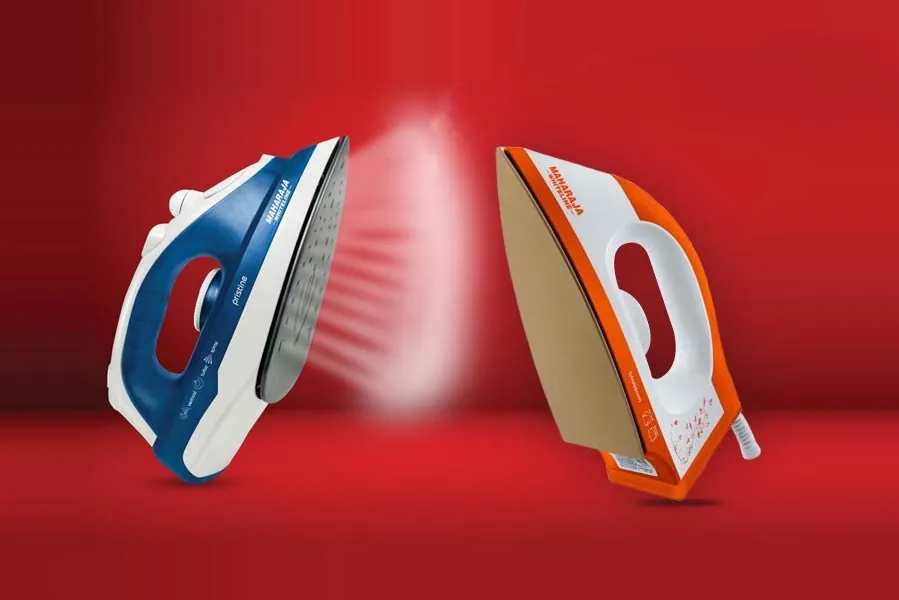
Ignoring the temperature setting melts synthetic fibers like polyester instantly, creating a permanent, shiny glaze that no amount of washing can remove. Always start with the lowest heat setting and test an inconspicuous seam before touching the iron to the front of a garment.
Using tap water in hard water regions causes white, crusty mineral buildup to clog internal vents. This debris eventually spits out onto your clothes during a press, leaving irreparable yellow or brown stains. If your local water leaves rings in your kettle, use distilled water exclusively.
Leaving an iron face down on the board creates an unnecessary fire hazard and scorches the board cover. This heat transfer can also warp the iron’s soleplate. Always return the iron to its heel rest between passes.
Overfilling the tank leads to leaking, which causes water spots on delicate fabrics like silk or rayon. Fill only to the maximum line indicated on the reservoir to ensure the steam remains dry and consistent.
Frequently asked questions
Can I use a steam iron without water?
Yes, you can use a steam iron as a dry iron by simply keeping the tank empty or turning the steam dial to the “off” or “dry” position. This allows you to press delicate items like silk or acetate that might be damaged by moisture or steam. Always ensure the steam setting is completely disabled before starting to avoid any accidental spitting of water droplets onto your delicate clothing.
Why does my iron spit brown water?
Brown water usually happens when mineral deposits or burnt lint have accumulated inside the steam chamber of your iron. You should perform a self-cleaning cycle according to the user manual to flush out the debris from the steam holes. If the issue continues, it’s likely that the internal components are corroded, and you should contact the manufacturer or a professional repair service to avoid ruining your clothes.
How long does a steam iron last?
A well-maintained steam iron typically lasts between 5 to 10 years, depending on the frequency of use and the quality of the water used. Using distilled water significantly extends the life of the internal heating element by preventing scale buildup. You can check the manufacturer’s warranty documentation to see the expected lifespan for your specific model, as some premium brands offer longer support periods.
Is it safe to steam iron silk?
It’s generally safe to iron silk if you use a very low heat setting and avoid direct, prolonged contact with the steam. Many people prefer to use a pressing cloth between the iron and the silk to provide an extra layer of protection against heat damage. Always test a small, hidden area of the garment first to ensure the fabric doesn’t react poorly to the heat or moisture.
Does it matter what water I use?
It matters a great deal because using hard tap water will cause mineral deposits to build up inside your iron’s steam vents. This buildup eventually leads to reduced steam flow, spitting, and brown stains on your laundry. Using distilled or demineralized water is the best way to keep your iron functioning smoothly and to ensure that only clean, clear steam touches your fabrics.
What happens if I iron with too much heat?
Excessive heat will cause the fibers of your clothing to scorch, melt, or become shiny and permanently damaged. Synthetic materials like polyester are particularly prone to melting, while natural fibers like cotton can turn yellow or brown. Always start with the lowest required heat setting and increase it only if the wrinkles aren’t coming out, which protects your clothes from irreversible damage.
Conclusion
If your wardrobe is mostly heavy cottons, a steam iron saves significant time by relaxing stubborn creases quickly. If you prefer simple, lightweight tools or mostly wear delicate synthetics, a dry iron is a reliable and low-maintenance choice for your home.