

Whats Better a Steamer or an Iron or Dry Iron
Compare steam irons, dry irons, and garment steamers to find the best tool for your fabrics. Learn which option suits your specific ironing needs.
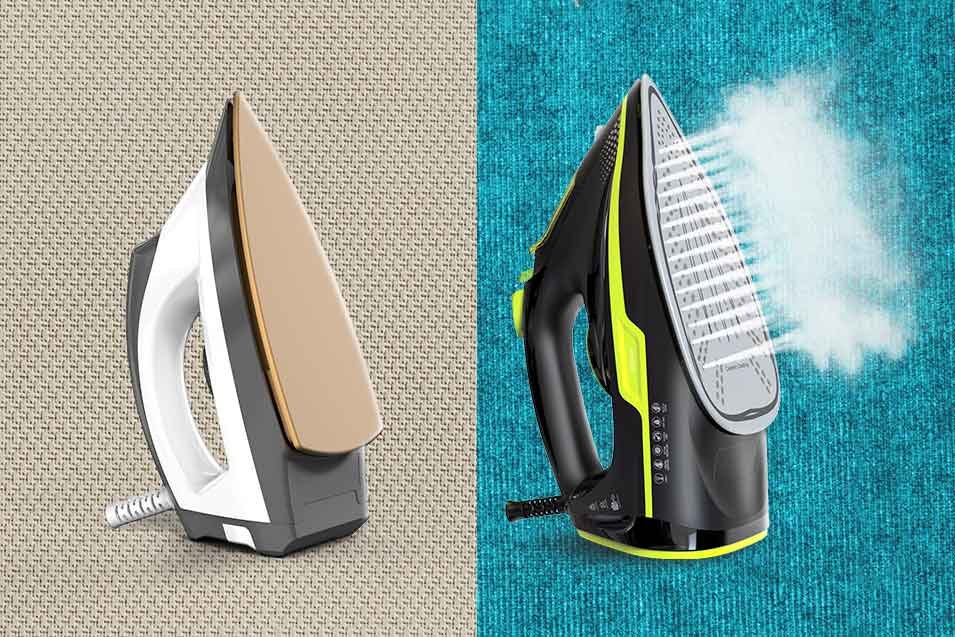
A steam iron is the most versatile tool for most households, handling both crisp creases and delicate fabrics with ease. However, a traditional dry iron is often better for thick cotton or linen due to its high heat stability. Choose a garment steamer for silk, synthetics, or complex details like ruffles.
Steamer or iron which is better
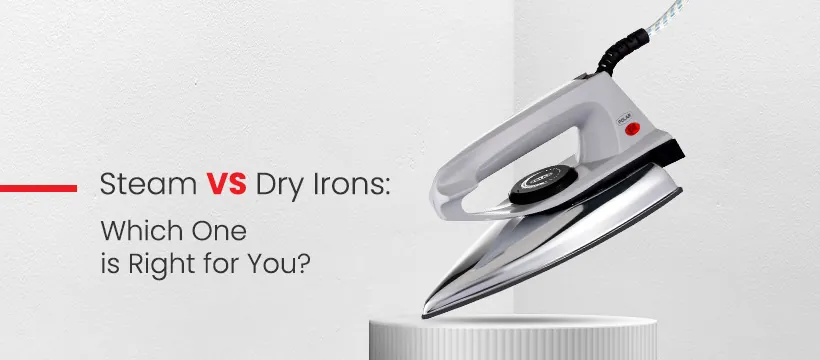
Selecting the right tool depends on your wardrobe and how much time you spend on laundry. While some people prefer the speed of a steamer, others need the precision of a weighted iron to get professional results.
| Method | How long | Effort | Cost | Best for |
|---|---|---|---|---|
| Steam iron | 2-3 mins | Medium | Medium | Everyday clothes |
| Dry iron | 3-5 mins | High | Low | Heavy cottons |
| Garment steamer | 1-2 mins | Low | Medium | Delicate silks |
If you have a large collection of suits or pleated skirts, a steam iron offers the best balance of speed and finish. If you only own a few items that need occasional touch-ups, a handheld steamer is the most efficient choice.
Always check the care label on your garments. This simple step prevents damage and tells you if high heat is safe for the material. If the label shows a crossed-out iron, avoid all direct heat and steam, as the fabric may be sensitive to moisture or high temperatures.
Most people make the mistake of using a dry iron on synthetic blends without a pressing cloth. This often leaves a permanent, glossy sheen on the fabric that can’t be removed. If you’re concerned about heat damage or shine on synthetic blends, use a pressing cloth between the iron and the garment.
If you’re dealing with deep, set-in wrinkles on linen, use a steam iron on the highest setting while the fabric is still slightly damp. If the garment is already dry, mist it with water first to help the fibers relax.
Using a steam iron effectively
A steam iron uses a heated metal plate and water to remove wrinkles through a combination of pressure and moisture. It’s the standard tool for most households because it works well on almost all common clothing materials.
- Fill the reservoir with distilled water to prevent mineral buildup that can clog the internal steam vents.
- Select the temperature setting that matches the fabric type listed on the garment label.
- Wait for the indicator light to turn off, which signals the plate has reached the set temperature.
- Press the steam burst button while gliding the iron over the fabric to remove deep, stubborn wrinkles.
This method excels at giving collars and cuffs a sharp, crisp finish that lasts throughout the day. It’s excellent for cotton shirts and trousers that require a polished look. However, the main weakness is the risk of accidental burns if you leave the hot plate resting on delicate fabrics for too long. If you’re uncertain about the heat setting, start on a hidden area of the fabric to test for potential heat damage.
Benefits of using a dry iron
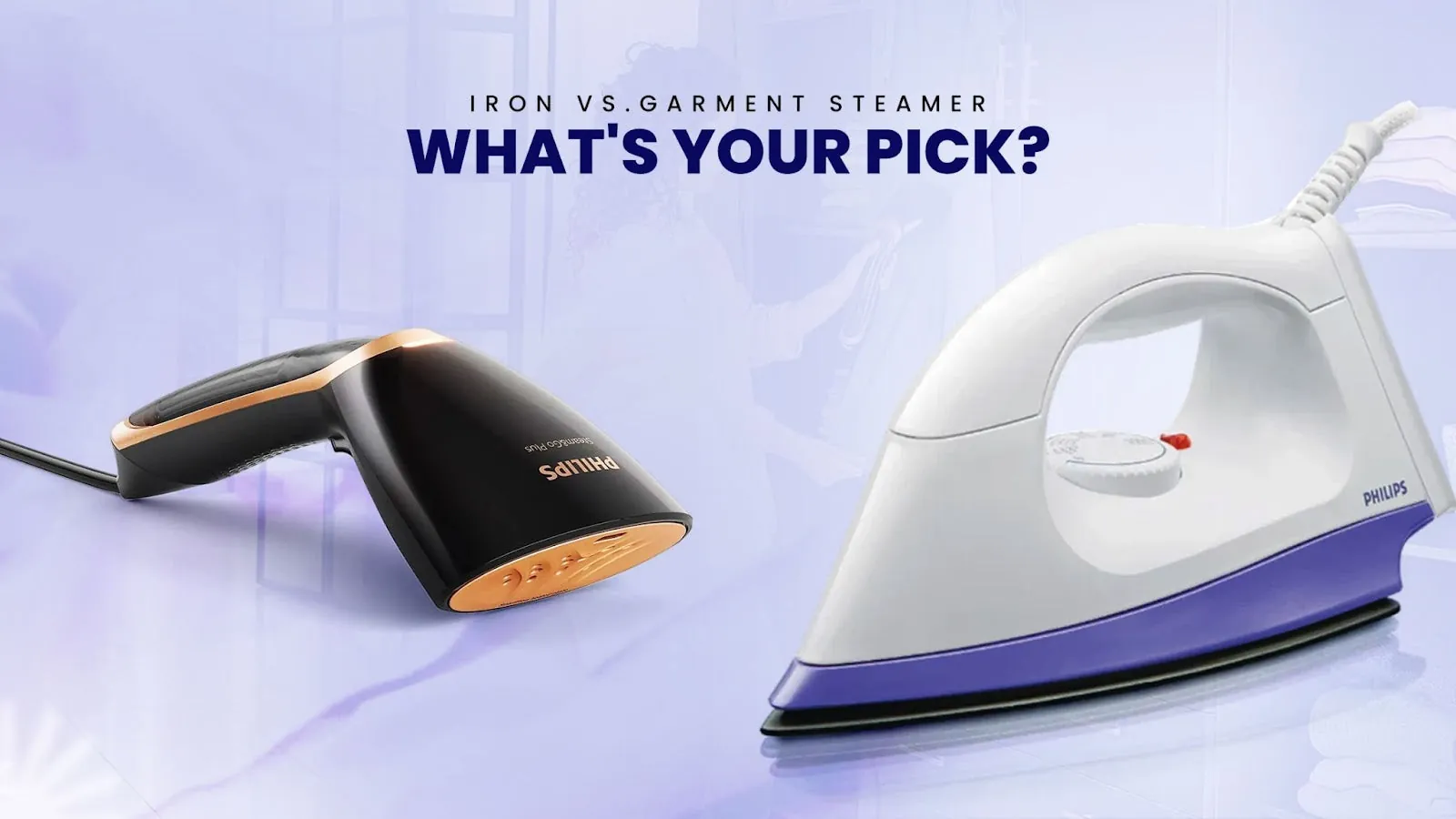
A dry iron doesn’t use water, relying entirely on the heat of the metal plate and the pressure you apply. This makes it ideal for fabrics that are sensitive to moisture or for people who want to avoid the risk of steam burns.
- Plug in the device and set the dial to the material type, such as wool or cotton.
- Allow the plate to heat fully until the light indicates it’s ready for use.
- Use a slow, firm motion to press the fabric against the board, applying consistent weight as you move.
- Keep the iron moving to avoid scorching, especially on light-colored natural fibers like linen.
Dry irons are perfect for quilters and crafters who need precise control without the interference of steam. They’re also very durable because they lack the complex plumbing and water pumps found in steam models. The primary trade-off is the extra physical effort required to press out heavy wrinkles without the help of moisture. If your clothes are heavily wrinkled, you might need to use a spray bottle with water to lightly dampen the fabric before ironing.
Why a garment steamer works
A garment steamer uses hot vapor to relax fabric fibers without touching them with a hot plate. It’s the safest way to refresh clothes that are too fragile for direct heat or heavy pressure.
- Hang the garment on a sturdy hanger in a location where the steam won’t damage walls or doors.
- Fill the tank with clean water and turn the unit on, waiting for the vapor to flow consistently.
- Hold the steamer head a few inches away from the fabric and move it in slow, vertical strokes.
- Pull the bottom of the fabric taut with your free hand to help the steam penetrate the fibers.
Steamers are fantastic for busy mornings when you need to remove light wrinkles from a shirt or dress quickly. They’re also the best choice for items with sequins, beads, or complex embroidery that would be ruined by a flat iron. The main limit is that they can’t create the sharp, permanent creases in trousers that a traditional iron can. If you need a crisp look for a formal event, a steamer may not provide enough structure on its own.
Which tool fits your needs
Deciding which tool to use depends on your specific goals and the time you have available. When you’re in a hurry, a garment steamer is the best choice because it heats up in under sixty seconds and requires no ironing board.
If you’re doing this for the first time, a steam iron is the better option because it’s more forgiving and works on a wider range of standard clothing. When you want the best possible result whatever it takes, use a steam iron for the main body of the garment and a small dry iron for detailed sections like pleats.
You must balance the desire for speed against the quality of the finish. Steamers are fast but lack the heat and pressure required to set a crisp crease. If you notice the fabric wrinkling again within an hour of steaming, your garment requires the direct pressure of a metal plate.
If your wardrobe consists mostly of heavy denim and structured cotton shirts, the effort of using an iron is worth it. These fabrics demand heat to realign fibers. If your closet is full of flowy rayon dresses and thin silk blouses, a steamer will save you both time and the risk of heat damage. Use a steamer for synthetic blends that scorch easily, but reach for the iron when you need a professional, sharp edge on natural fibers.
Rules for safe fabric care
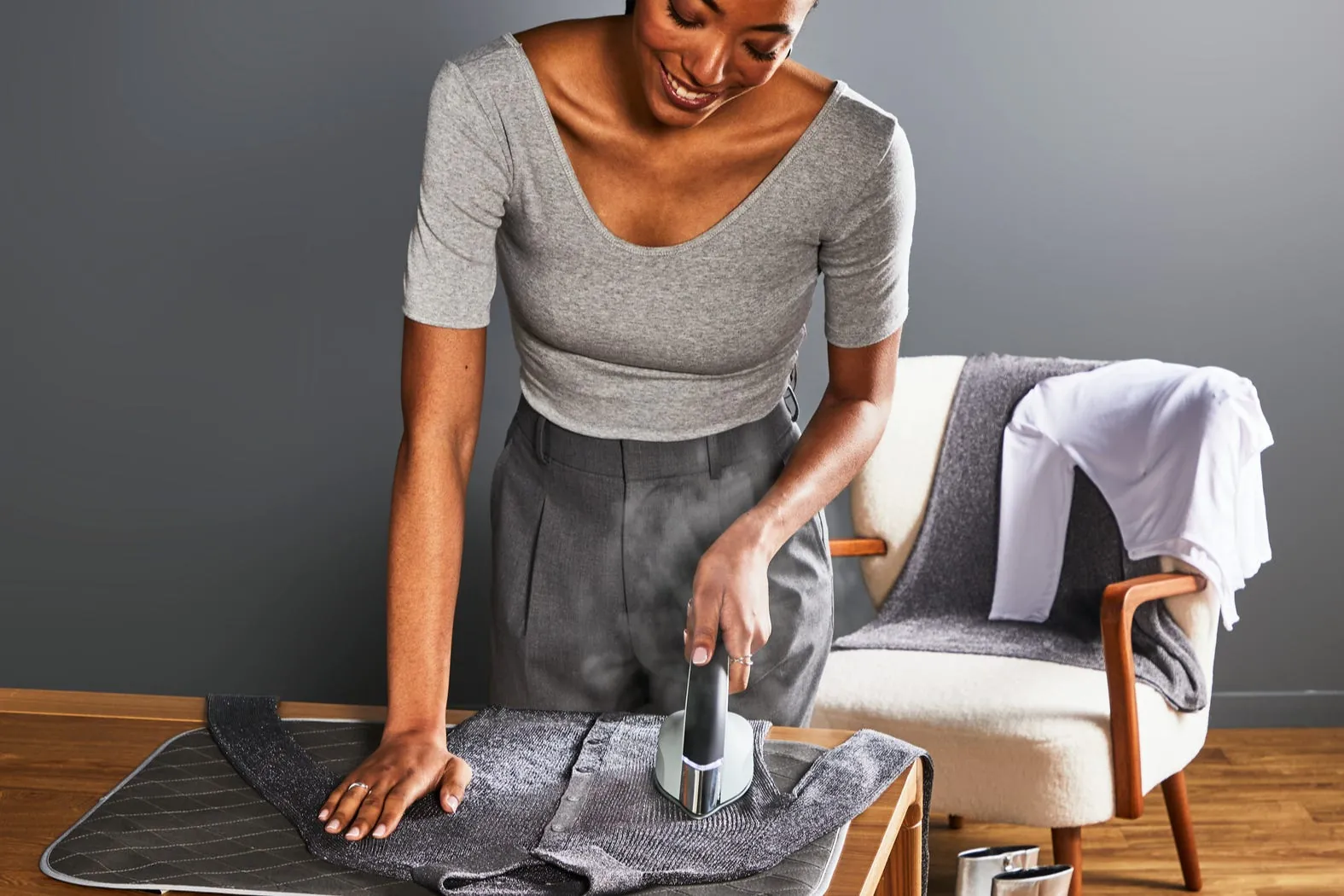
Regardless of which tool you choose, safety remains the most important factor in your laundry routine. The United States Consumer Product Safety Commission provides guidance on handling hot appliances to prevent electrical fires and accidental burns. Always place your iron on a heat-safe rest when it’s turned on, and never leave it unattended while it’s hot. If you notice the cord is frayed or the plug is loose, stop using the device immediately to avoid a shock risk.
Before you begin, clear a stable surface and ensure your clothing is free of any loose items or sharp objects. Check the garment label for the recommended temperature range; using a setting that’s too high can cause permanent damage to synthetic fibers.
If you’re using a steam model, empty the water tank after every use to prevent mold growth inside the machine. Proper storage in a cool, dry place will extend the life of your equipment and keep your clothes looking fresh for many years.
Related guides
Frequently Asked Questions
Can I use a steamer on a wool suit?
Yes, you can use a steamer on a wool suit to refresh the fibers and remove light wrinkles. Keep the nozzle about two inches away from the fabric to prevent the wool from becoming overly damp or shiny. If the suit is heavily wrinkled, a professional pressing service may be necessary to restore the shape properly without damaging the delicate structure of the jacket.
How long does an iron take to heat up?
Most modern steam irons take between 60 and 90 seconds to reach the highest temperature setting. This time assumes the iron is plugged into a standard wall outlet. If your iron has a very large water reservoir or a high-wattage plate, it may take slightly longer to reach full heat. Always wait for the indicator light to turn off before you begin pressing your clothes.
Is it safe to use tap water in a steam iron?
No, it’s best to use distilled water in your steam iron to prevent mineral buildup inside the vents. Using hard tap water causes white, chalky deposits to collect in the steam chambers, which eventually blocks the flow of steam. If you must use tap water, check your owner’s manual to see if your model has a built-in anti-calc system that can filter out those minerals safely.
What happens if I iron a synthetic fabric on the wrong setting?
If you iron a synthetic fabric on a setting that’s too high, the fibers will melt and stick to the iron plate immediately. This results in a shiny, hardened patch on the garment that’s usually impossible to repair. Always test the temperature on a small, hidden hem if you’re unsure about the fabric content or the heat tolerance of your clothing items.
How often should I clean the iron plate?
You should clean the iron plate whenever you notice sticky residue or dark marks on the surface. This happens when the iron touches starch or synthetic fibers, which can then transfer to your clean clothes. Wipe the plate with a damp, soft cloth while the iron is unplugged and completely cool to avoid damaging the finish or causing accidental burns to your skin.
Can a dry iron remove deep wrinkles from linen?
Yes, a dry iron can effectively remove deep wrinkles from linen by using high heat and significant pressure. Because linen is a strong natural fiber, it withstands high temperatures well. If wrinkles remain stubborn, lightly mist the garment with water just before ironing to help the fibers relax.
Conclusion
Ultimately, your choice depends on your wardrobe and how much time you have. If you’re still unsure, try testing your favorite pieces with each tool to see which finish you prefer. You’ll soon find that having the right equipment makes this chore feel much less like a burden.