

Which Iron Is Better CHI or Rowenta: A Performance Comparison
Compare CHI vs Rowenta irons to find the best model for your needs. Learn which brand offers the steam power and fabric care you require for ironing.
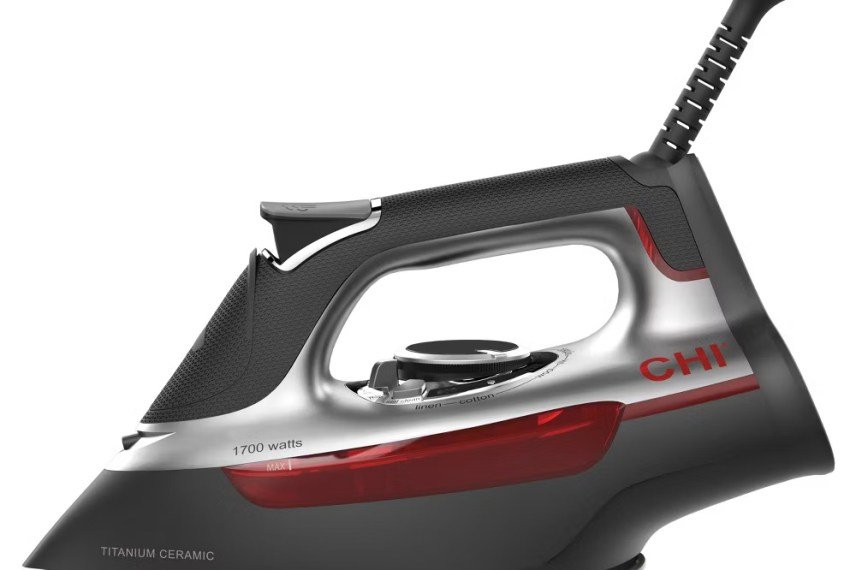
Choosing between these two brands depends on your specific needs, as deciding whether a chi or rowenta iron is better requires looking at your fabric types and ironing frequency. Rowenta is generally the superior choice for users who need heavy-duty steam power for thick linens and frequent, large loads. Conversely, Chi is the better option if you prioritize a smooth, scratch-resistant soleplate and a lightweight tool that’s easier to handle for everyday tasks like quick touch-ups.
How to pick a better iron like Chi or Rowenta
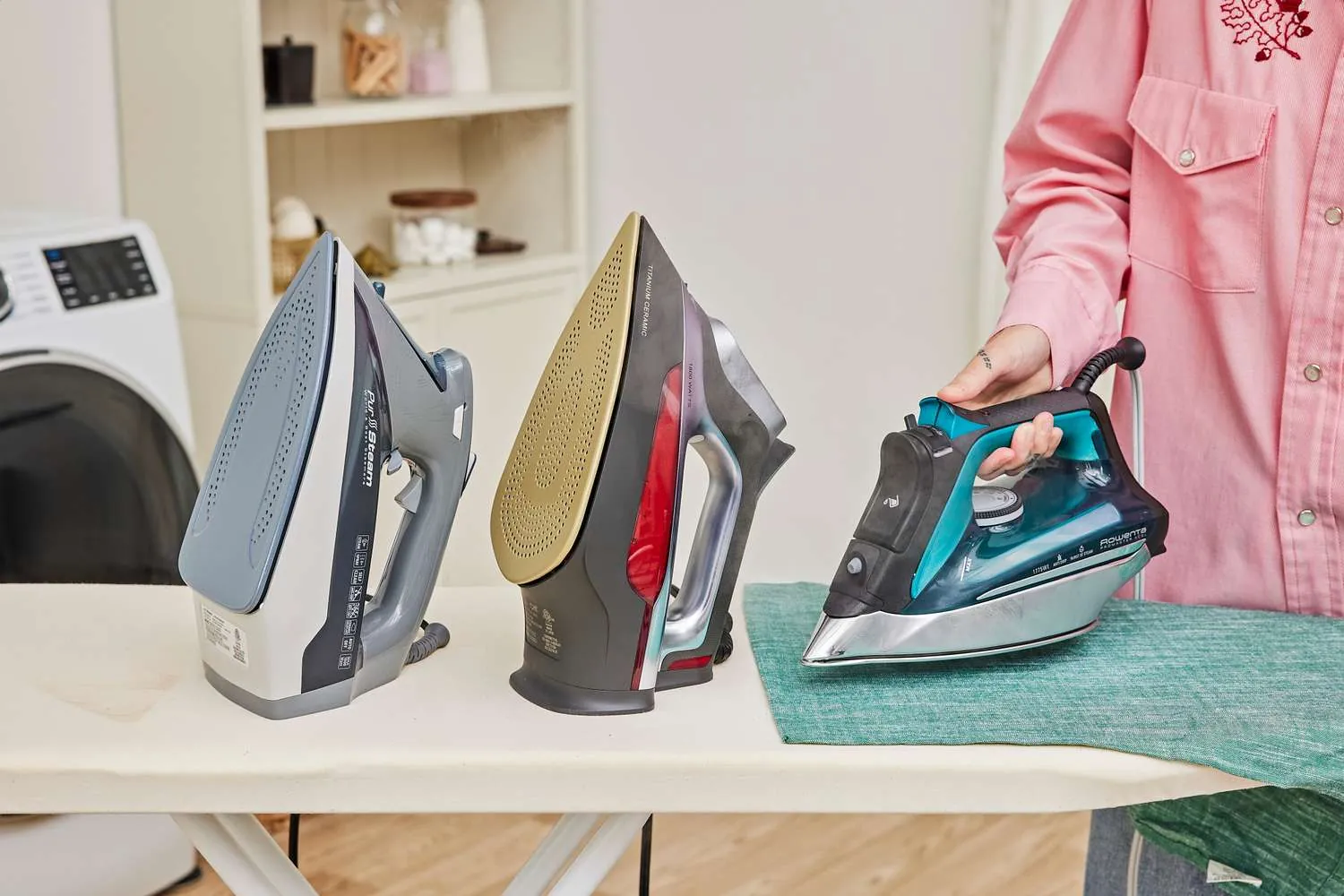
Rowenta irons feature high-pressure steam holes that provide consistent moisture for deep wrinkles in heavy fabrics like denim or linen. Because these units rely on high-volume steam, you must use distilled water to prevent mineral buildup that clogs the internal valves.
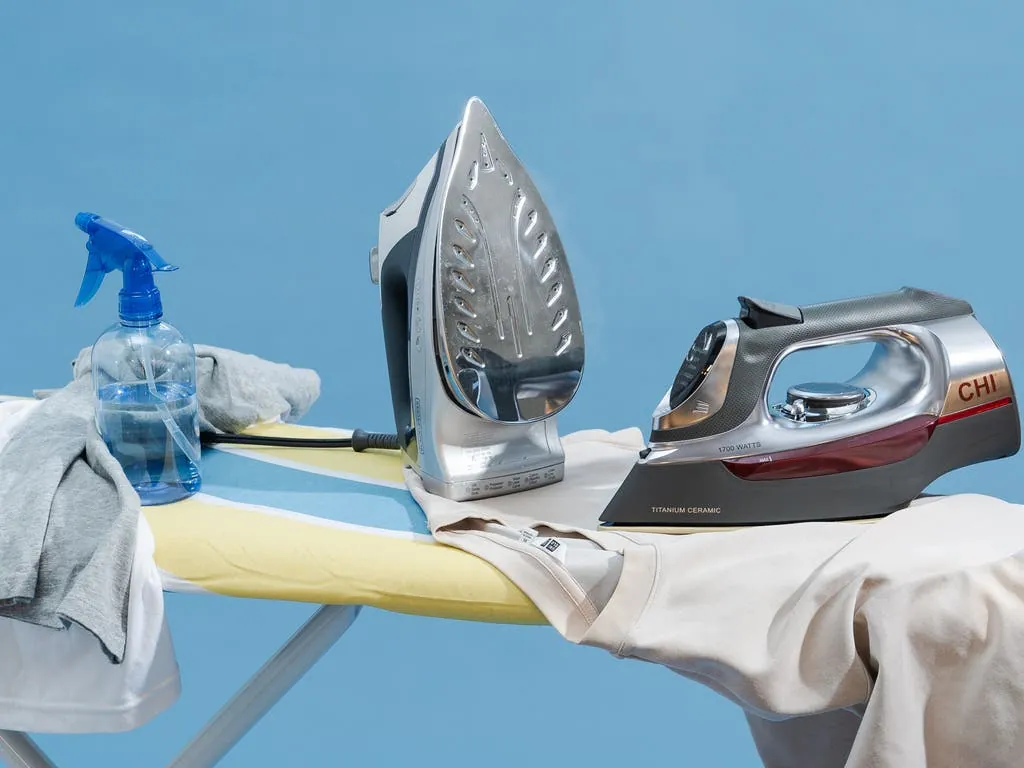
Chi irons utilize a ceramic-infused titanium soleplate that glides effortlessly and resists sticking on synthetic fabrics. If you frequently iron delicate polyester blends, this surface prevents the accidental melting or pulling common with stainless steel plates.
If you iron once a week for a large family, the Rowenta steam output will save you significant time. Conversely, if you have limited storage space or wrist discomfort, the compact Chi models are easier to maneuver daily.
Check the water tank capacity on the model label; Rowenta tanks often hold 10-12 ounces, while many Chi models hold 8-10 ounces. If your ironing sessions exceed twenty minutes, choose the larger tank to avoid mid-task refills that break your rhythm.
Why Steam and Soleplate Materials Matter
The core difference between these brands lies in their engineering focus. Rowenta emphasizes steam volume and distribution. They design their irons with hundreds of micro-steam holes across the entire soleplate. This design ensures that steam penetrates thick cotton and linen fibers deeply, which makes removing stubborn creases much faster. If you often iron stiff dress shirts or heavy table linens, this steam density is a major advantage.
Chi brings a different philosophy to their garment irons. Their focus is on the soleplate material, usually a durable, scratch-resistant ceramic. This material heats up quickly and provides a smooth surface that doesn’t snag on buttons or delicate synthetic fabrics. When you iron clothes with prints, sequins, or sensitive polyester blends, the Chi soleplate is less likely to leave marks or melt the fabric.
If your wardrobe consists mostly of heavy-duty cottons, prioritize steam output. If you frequently handle delicate synthetics or embellished garments, prioritize the glide and heat consistency of a ceramic plate. A common mistake is choosing an iron based solely on brand reputation rather than fabric composition. This oversight often leads to scorched synthetic blends or wasted time spent re-ironing stubborn cotton wrinkles.
Maintenance also dictates your choice. Rowenta irons require active anti-calc systems to prevent mineral buildup, especially in hard water regions. If you use tap water, you must select a model with an effective self-cleaning feature to avoid clogging the steam vents.
Chi irons are generally simpler in their steam construction, which makes them less prone to internal mineral blockages. However, this simplicity means they offer less steam power for heavy-duty tasks. If you live in a hard-water area and refuse to use distilled water, the maintenance burden of a high-steam iron will likely outweigh its performance benefits.
Situations Where the Choice Changes
| Situation | What changes | What to do instead |
|---|---|---|
| Heavy cotton linens | Need high steam | Use a Rowenta model |
| Delicate synthetic fabrics | Need low heat | Use a Chi model |
| Hard water supply | Risk of clogging | Pick a self-cleaning Rowenta |
| Frequent travel | Need portability | Pick a compact Chi iron |
| Large laundry loads | Need steam volume | Pick a Rowenta model |
If you live in an area with hard water, check your local utility report for mineral content. If the hardness exceeds 120 parts per million, avoid standard irons entirely.
When ironing delicate synthetics, always test an inconspicuous seam first. If the fabric puckers or turns shiny, your heat setting is too high regardless of the iron brand. Drop the temperature by one full notch immediately.
For heavy cottons, steam volume matters more than plate temperature. If you’re pressing more than five shirts at once, a reservoir capacity under 10 ounces will force you to refill too often. This interruption breaks your workflow and causes uneven creases.
Choose the Chi if you prioritize a lightweight chassis for wrist comfort during long sessions. Choose the Rowenta if you require heavy-duty steam pressure to penetrate thick weaves. If you ignore these weight differences, you’ll likely suffer from hand fatigue before finishing a standard load.
How to Properly Use Your Iron
Fill the water tank only to the “max” line indicated on the side of the unit. Overfilling leads to leaking, which can damage your clothes or the iron’s internal electronics. If you see water pooling around the base, stop immediately and drain the reservoir; running it while damp risks a short circuit.
Set the temperature dial to match the fabric type listed on your garment’s care tag. Start with low heat for delicate items and move to higher settings for cotton. If the tag is missing, test a small, hidden seam at the lowest setting first. If the fabric puckers or changes sheen, dial it back immediately.
Allow the iron to reach full temperature before using the steam function. If the iron isn’t hot enough, water will drip from the soleplate instead of turning into steam. Wait for the indicator light to cycle off, which usually takes about two minutes.
Press the steam burst button only when the iron is in the horizontal position. Using it vertically or while the iron is tilted can cause water to sputter out.
Empty the water tank completely after every session. Leaving water inside causes mineral deposits to harden, which eventually blocks the steam holes and ruins the internal valves. If you live in an area with hard water, use distilled water to prevent this buildup entirely.
Wipe the soleplate with a damp, soft cloth while it’s unplugged and cool to remove any sticky residue. Never use abrasive pads, as these will scratch the surface and cause clothes to snag. A clean soleplate should glide effortlessly; if it drags, you have accumulated synthetic fiber buildup.
The Mistakes That Ruin Your Iron
Using tap water in areas with hard water causes mineral buildup that permanently clogs the steam vents. If you live in a region where water leaves white residue on your faucets, skip the tap entirely. Use distilled water to prevent the internal calcification that eventually renders the steam function useless.
Dragging the iron over metal zippers or buttons causes deep scratches that ruin the smooth finish of the soleplate. These gouges snag delicate fabrics like silk or rayon long after the initial damage occurs. If you must iron over hardware, place a thin cotton pressing cloth between the metal and the iron to act as a protective buffer.
Storing the iron with water left in the tank creates leaks and rust inside the heating chamber over time. Always empty the reservoir after the unit has cooled down. This residual heat evaporates any leftover moisture, preventing the corrosion that leads to brown water spots on your clothes.
Ignoring the temperature guide on your clothes leads to scorched fabrics and melted synthetic fibers on the soleplate. Always start with the lowest heat setting and work your way up. If you’re unsure of the fabric content, test a small, hidden area of the garment before proceeding to the main surface.
Frequently asked questions
How long does a typical iron last?
A high-quality iron lasts for a significant duration when cleaned regularly and used with distilled water. The lifespan varies based on how often you iron; frequent use for large loads puts more strain on the internal pump and heating element. You can check the condition of your iron by looking for signs of mineral buildup around the steam holes or checking if the cord shows any fraying near the base.
Is it safe to use tap water in my iron?
It’s safe only if your local water is soft, but manufacturers like Rowenta generally recommend distilled water to prevent scale buildup. If your tap water is hard, the minerals will accumulate inside the heating chamber and eventually block the steam holes. You can check your local water hardness through your municipal utility report or by using a simple home testing kit to decide if you need to use distilled water.
Why is my iron leaking water?
Leaking usually happens because the iron isn’t hot enough to turn the water into steam or because the tank was overfilled. Always wait for the indicator light to turn off before pressing the steam button, as this confirms the soleplate has reached the required temperature. If it continues to leak after you ensure it’s hot and not overfilled, the internal valve may be damaged and requires professional service.
Does the wattage of the iron matter?
Higher wattage irons heat up faster and maintain a more consistent temperature, which is helpful for ironing thick fabrics quickly. Most standard home irons range from 1,500 to 1,800 watts, and this range is sufficient for almost all household tasks. If you iron very large loads, look for a higher wattage model to save time, but ensure your wall outlet can handle the power draw without tripping the circuit breaker.
What happens if I iron over a button?
Ironing over buttons causes physical damage to the soleplate and can break the button itself. Always iron around buttons using the pointed tip of the iron, or place a thin cloth over the area to protect both the garment and the iron surface. If you accidentally scratch your soleplate on a button, you can sometimes smooth it out with a specialized cleaning stick, but deep scratches are permanent.
How often should I clean the steam holes?
You should clean the steam holes once every month if you iron regularly or notice white flakes on your clothes. To clean them, use a mixture of equal parts water and white vinegar to wipe the soleplate, then run the iron’s self-clean cycle if the model includes one. If your iron doesn’t have a self-clean feature, consult the manual for the specific steps to flush the internal system safely.
Conclusion
Choosing the right iron depends on your laundry habits and the fabrics you wear most often. If you prioritize steam performance for heavy materials, a Rowenta model is ideal. For a smooth, snag-free experience with everyday garments, a Chi iron is a great choice. Start by checking your current wardrobe needs to make your final selection.