

Steam Iron vs Garment Steamer: Which Is Better for Your Clothes
Choosing between a steam iron or garment steamer? Learn which tool best suits your fabrics for professional results or quick, convenient touch-ups.
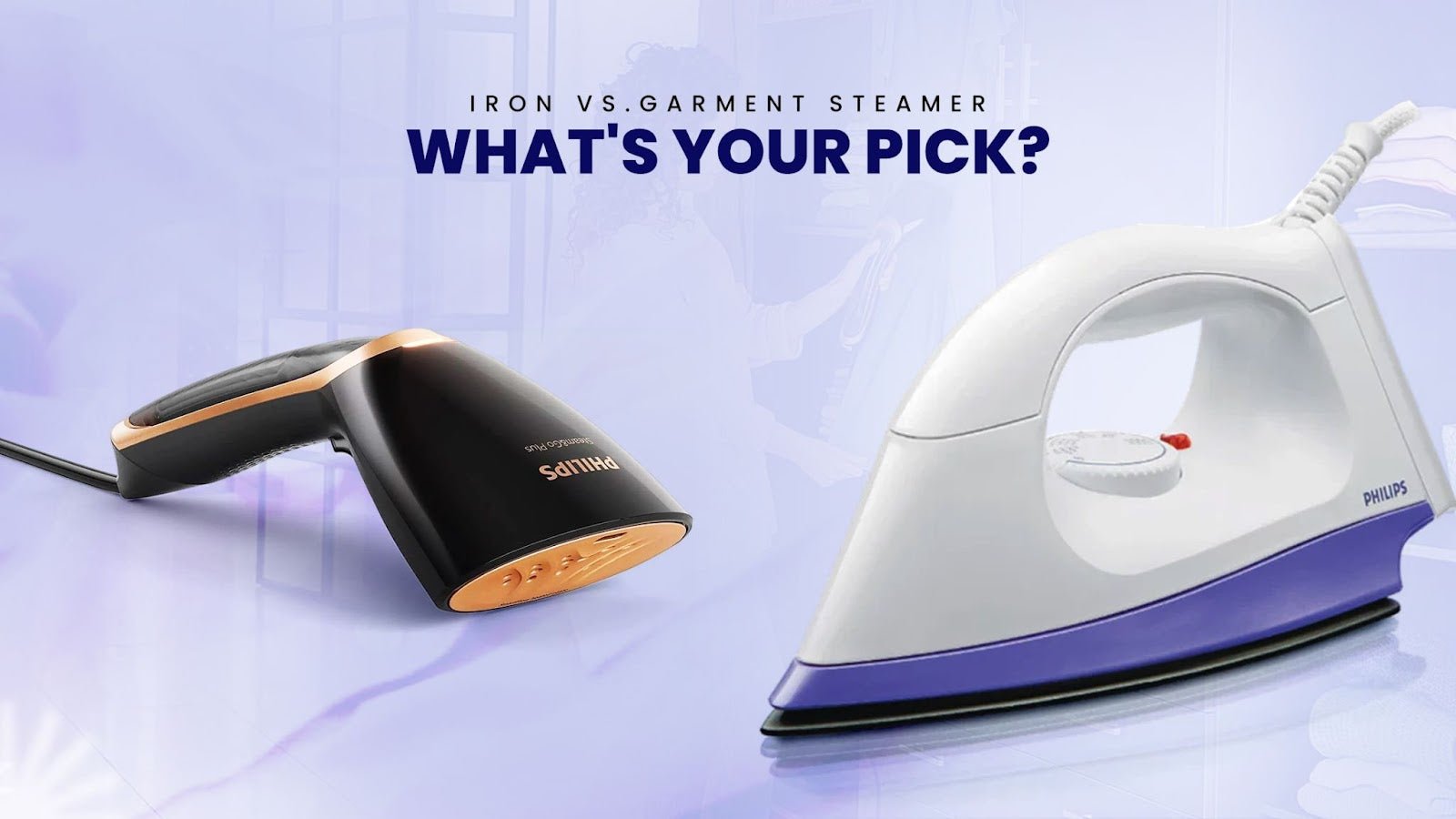
A high-quality steam iron is generally better for crisp, professional results on cotton and linen, while a garment steamer is superior for delicate fabrics and quick touch-ups. If you’re choosing between a steam iron or garment steamer, consider that the iron uses pressure to flatten fibers, whereas the steamer uses heat to relax them gently. You’ll find the iron is the better tool for heavy-duty garments, but the steamer works best for items that are difficult to lay flat.
Comparing fabric care tools
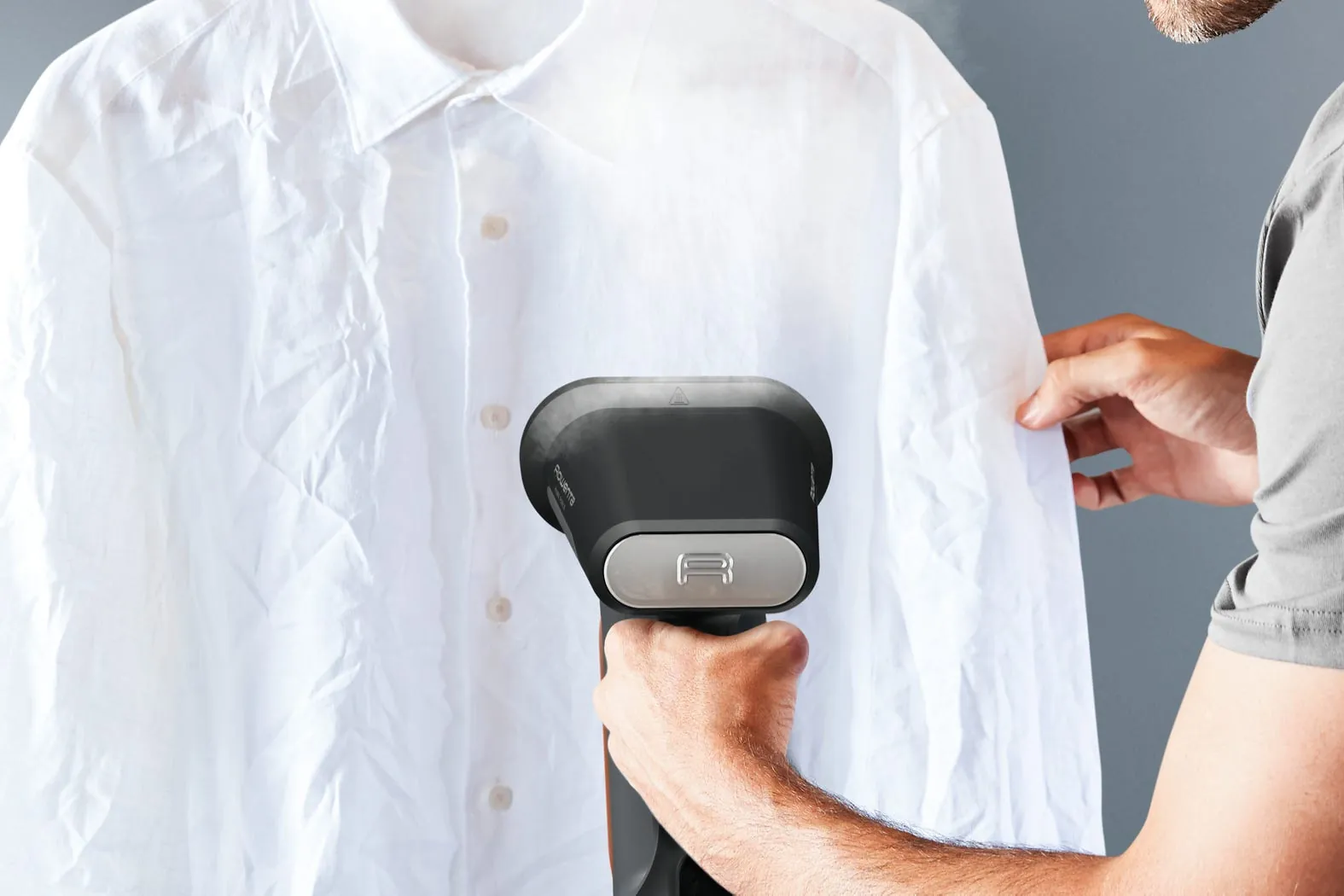
Irons provide precision and structure, while steamers offer a faster, safer way to refresh garments without risking damage to sensitive materials.
| Method | How long | Effort | Cost | Best for |
|---|---|---|---|---|
| Steam iron | 5-10 minutes | High | Low | Cotton, linen, jeans |
| Handheld steamer | 2-4 minutes | Low | Low | Silk, synthetics, knits |
| Standing steamer | 3-6 minutes | Medium | Medium | Large curtains, suits |
If your wardrobe consists mostly of heavy work shirts or formal trousers, an iron is the practical choice. If you wear mostly light, flowy, or embellished clothing, a steamer will save you time and help you avoid the frustration of setting up an ironing board.
Achieving professional results with a steam iron
A steam iron works by applying heat and weight directly to the fabric to remove deep wrinkles. This method is the standard for achieving the sharp creases often found in formal wear.
Fill the reservoir with distilled water to prevent mineral buildup inside the heating chamber. Tap water contains calcium that clogs internal valves, leading to brown spots on your clothes. If you live in an area with hard water, distilled is your only reliable option.
Set the dial to the temperature recommended on your garment’s care tag. If the tag is missing, start at the lowest setting and test an inconspicuous inner seam. If the fabric resists the iron, increase the heat by one increment.
Place the item flat on an ironing board and press firmly while gliding the iron across the fabric. Use the burst-of-steam button for stubborn, thick areas like collars or cuffs. Always keep the iron moving to prevent heat saturation in a single spot.
This method is ideal for cotton shirts and heavy linens that need structure. If you’re working with wool or delicate blends, always use a pressing cloth to protect the surface from direct heat. Without a barrier, synthetic fibers can melt and glaze, leaving an irreversible shine on the fabric.
Refreshing clothes with a garment steamer
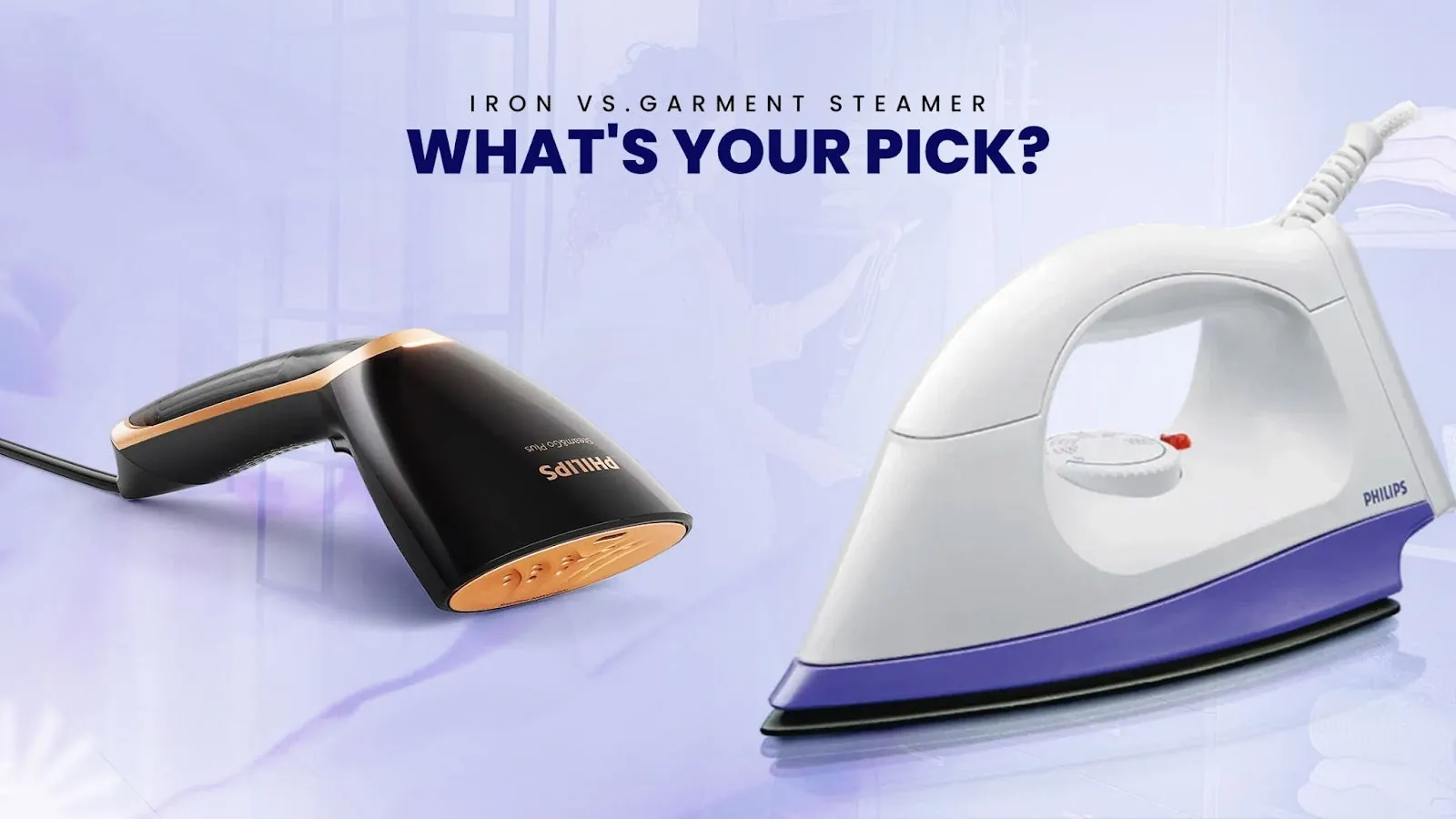
A garment steamer works by pushing hot steam through fabric fibers while the item hangs vertically. This process relaxes wrinkles without the need for the physical pressure of an iron.
Hang your garment on a sturdy hanger in a well-ventilated area. Fill the tank with distilled water to prevent mineral buildup, then let the unit heat up for 60 seconds. Pull the fabric taut with one hand and move the steamer nozzle slowly in a downward motion. Keep the nozzle two inches away from the surface to allow the steam to penetrate effectively.
Steamers are ideal for delicate fabrics like silk, rayon, or beaded dresses that can’t handle the weight or heat of a traditional iron. If you’re working with heavy cotton or linen, use a steamer with at least 1,500 watts of power to ensure the steam is hot enough to penetrate thick weaves.
A common mistake is pressing the nozzle directly against the fabric, which creates damp spots instead of a smooth finish. If the garment remains wrinkled, slow your pace significantly. The steam needs several seconds of exposure to soften stubborn fibers. If the fabric still resists, check the care label; some heavy-duty materials require a quick pass with a traditional iron to set the fibers properly.
Using a standing steamer for heavy garments
A standing steamer is a larger version of a handheld model, usually featuring a higher water capacity and a telescoping pole. These units are designed for people who need to process several garments in one session.
- Assemble the unit and ensure the base is on a level floor.
- Hang your clothes on the integrated hanger and adjust the height to your comfort level.
- Turn on the device and wait for the indicator light to show it has reached the operating temperature.
- Use the steam head to smooth out the fabric, working from the top of the garment down to the hem.
For heavy wool coats or thick curtains, pull the fabric taut with your free hand while steaming. This tension forces the steam to penetrate deep fibers rather than just resting on the surface. If the fabric remains wrinkled after two passes, switch to the highest steam setting and move the head at half your usual speed.
The main limit is the floor space required for the base unit. If your storage area is less than two square feet, the footprint of a standing steamer might make it an inconvenient choice. Stick to a handheld model if you only steam one item at a time, as the setup time for a standing unit rarely pays off for single garments.
Choosing the right tool for your needs
When you’re in a hurry, a handheld garment steamer is the best choice because it heats up in under a minute and requires no ironing board. For those doing this for the first time, a steam iron is often easier to control because it provides immediate feedback on how the fabric reacts to pressure and heat.
If you want the best possible result regardless of the effort required, use a steam iron for your structured clothing and a steamer for your delicate pieces.
The trade-off is simple: irons provide the sharpest finish but require more setup, while steamers offer convenience and speed at the cost of the crispness you get from a pressed edge. If you have limited storage space, you should choose a handheld steamer; if you have a dedicated laundry area, an iron is the more versatile tool for a full range of garments.
Most beginners make the mistake of using a steamer on heavy cottons or linens. You’ll find that a steamer lacks the weight to flatten deep wrinkles in thick fibers, leaving your clothes looking limp rather than crisp. If the fabric is thick, choose the iron.
If you’re unsure which tool to grab, check the care label for a dot symbol. One dot requires low heat, which is the steamer’s specialty. Three dots indicate high heat, which demands the direct pressure of an iron to remove stubborn creases.
Essential habits for fabric maintenance
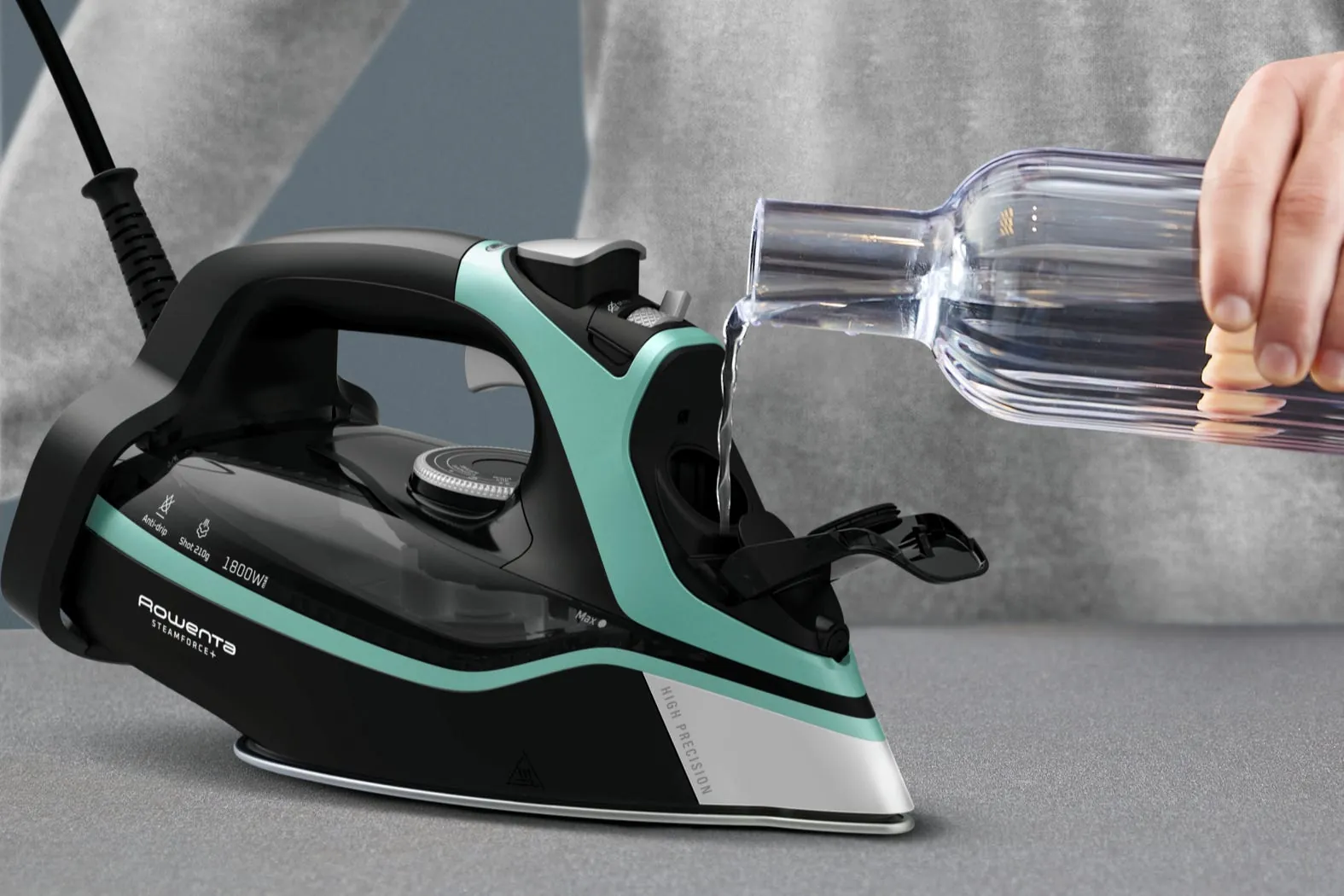
Regardless of the tool you pick, the most important rule is to always check the fabric care label before applying heat. GINETEX (The International Association for Textile Care Labelling) provides standardized symbols that tell you exactly what temperature or steam setting is safe for your item. Before you start, clear a workspace and ensure your equipment is clean, as old mineral deposits can leave permanent, rust-colored spots on your clothes.
Partway through your task, inspect the fabric for any signs of shine or discoloration. If the surface begins to look glossy, the heat is too high and you risk scorching the fibers beyond repair. At the end of your session, always empty the water reservoir to prevent water stagnation.
If you choose an iron, remember that it needs to be set to a low temperature for synthetic materials to prevent melting. If you’re unsure, test a small, hidden area of the garment first. If the fabric puckers or changes texture after ten seconds of contact, lower the heat immediately. Most modern irons feature a dial with specific fabric types; follow these markers strictly rather than relying on guesswork, as synthetic blends often react poorly to even moderate heat settings.
Related guides
Frequently asked questions
Can I use tap water in my iron or steamer?
Yes, you can use tap water, but distilled water is highly recommended to extend the life of your device. Many irons and steamers develop mineral deposits from hard water over time, which can clog the steam vents and leave white residue on your clothes. If you live in an area with particularly hard water, using distilled water will prevent these issues and keep your equipment working like new.
How long does a garment steamer take to heat up?
Most handheld garment steamers take between 45 and 90 seconds to reach the proper temperature. Standing models can take slightly longer, sometimes up to 3 minutes, because they have larger water tanks to heat. Always wait for the indicator light to signal that the device is ready before you start, as using it too early can result in water spitting from the nozzle onto your clothes.
Is it safe to steam silk and wool?
Yes, steaming is much safer for silk and wool than using a traditional iron. Because the steam head doesn’t touch the fabric directly, there’s no risk of crushing the pile of wool or leaving shiny marks on delicate silk. Always keep the nozzle a few inches away from the fabric to allow the steam to gently relax the fibers without saturating the material with too much moisture.
What happens if I iron a synthetic fabric that’s too hot?
If you iron synthetic fabric at a temperature that’s too high, the material will melt or develop a permanent shiny glaze. Synthetics like polyester and nylon are plastic-based and have a low melting point compared to natural fibers like cotton. Always use the lowest heat setting available on your iron for these materials and keep the iron moving constantly to avoid focusing too much heat on one spot.
How often should I clean my steam iron?
You should clean your steam iron about once a month if you use it regularly. This involves using the self-clean function or wiping the soleplate with a damp cloth to remove any burned-on lint or starch buildup. If you notice brown flakes coming out of the steam vents, it’s a sign that the internal chamber needs a deep clean with a vinegar and water solution to dissolve mineral deposits.
Why does my garment steamer spit water?
A steamer usually spits water because it isn’t hot enough or the tank is overfilled. If the water hasn’t reached boiling, it sprays droplets instead of producing dry steam. Ensure the unit is fully heated and never fill the reservoir past the maximum line.
Conclusion
Think about the clothes you wear most often before you head to the store. If your closet is full of structured work shirts, you’ll definitely want an iron. Otherwise, a steamer is a great way to keep your favorite outfits looking fresh. You’ll be glad you picked the right tool for your wardrobe.